
Revolutionise Cleaning with Modern Robotic Solutions
- Steve Scown
- Nov 15, 2025
- 4 min read
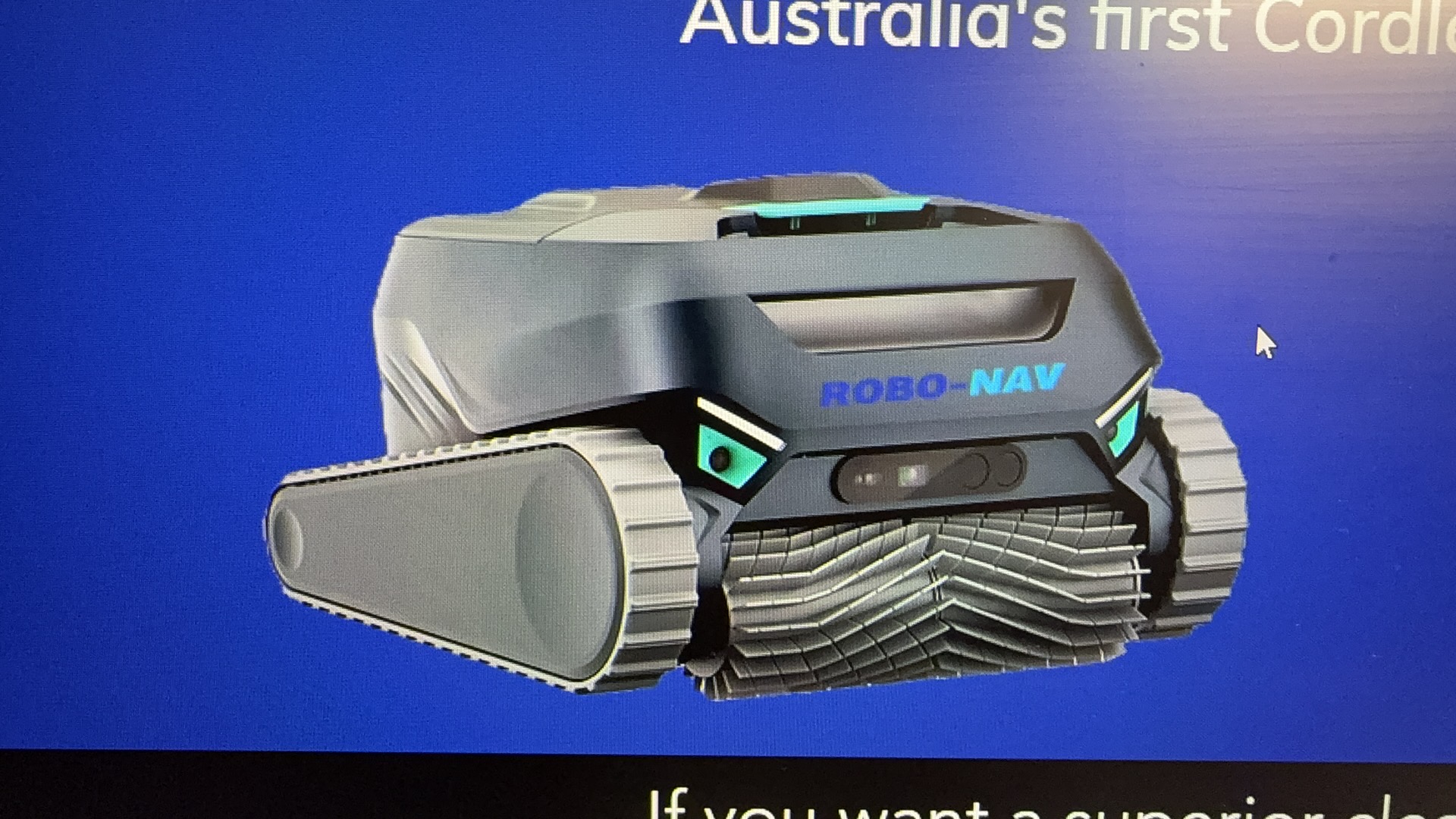
In today's fast-paced world, maintaining cleanliness in both commercial and residential spaces can be a daunting task. Traditional cleaning methods often require significant time, effort, and manpower. However, the advent of modern robotic cleaning technology has transformed the way we approach cleaning. These innovative solutions offer efficiency, precision, and convenience, making them indispensable for a wide range of environments including hotels, warehouses, hospitals, and homes.
The Rise of Robotic Cleaning Technology in Commercial and Residential Spaces
Robotic cleaning technology has evolved rapidly over the past decade. These devices are designed to automate routine cleaning tasks, reducing the need for manual labor while improving cleanliness standards. Commercial facilities such as supermarkets, office spaces, and large aquatic centres benefit immensely from these technologies. They can operate autonomously, covering large areas with minimal supervision.
For example, commercial robotic floor scrubbers can clean expansive warehouse floors efficiently, removing dirt and grime without interrupting daily operations. Similarly, robotic pool cleaners maintain swimming pools in hotels and council aquatic centres, ensuring water hygiene and reducing maintenance costs.
Residential users also enjoy the convenience of robotic vacuums and mops that keep homes spotless with minimal effort. These devices are especially useful for busy households or those with mobility challenges.

Key Features and Benefits of Robotic Cleaning Technology
Modern robotic cleaning devices come equipped with advanced features that make them highly effective and user-friendly. Some of the most notable benefits include:
Autonomous Operation: Robots use sensors and mapping technology to navigate spaces, avoiding obstacles and covering every corner.
Time Efficiency: They work continuously without breaks, completing cleaning tasks faster than manual methods.
Consistent Performance: Robots maintain a high standard of cleanliness with precise and repeatable cleaning patterns.
Cost Savings: Reduced labor costs and lower maintenance expenses make robotic solutions economically attractive.
Versatility: Available for various applications including floor scrubbing, vacuuming, pool cleaning, and window washing.
Eco-Friendly: Many robotic cleaners use less water and energy compared to traditional cleaning equipment.
For instance, a robotic window cleaner can safely and efficiently clean high-rise building windows, eliminating the risks associated with manual cleaning at heights.
Practical Applications of Robotic Cleaning Technology
Robotic cleaning technology is highly adaptable and can be tailored to meet the specific needs of different environments:
Hotels and Resorts: Robotic floor scrubbers and vacuums maintain lobbies, hallways, and guest rooms, ensuring a pristine environment for visitors.
Hospitals and Medical Centres: Robots help maintain sterile conditions by cleaning floors and surfaces with precision, reducing the risk of infection.

Supermarkets and Retail Spaces: Autonomous cleaners keep aisles and checkout areas spotless, enhancing the shopping experience.
Large Aquatic Centres and Swimming Pools: Robotic pool cleaners efficiently remove debris and maintain water clarity, supporting health and safety standards.
Residential Homes: Robotic vacuums and mops provide daily cleaning support, freeing up time for homeowners.
By integrating these technologies, facilities can improve hygiene, reduce labor demands, and enhance overall operational efficiency.

Choosing the Right Robotic Cleaning Solution for Your Needs
Selecting the appropriate robotic cleaning technology depends on several factors:
Type of Surface: Different robots are designed for hard floors, carpets, or pools.
Size of Area: Larger spaces may require robots with extended battery life and larger cleaning capacity.
Specific Cleaning Requirements: Some environments need specialized cleaning modes, such as disinfecting or deep scrubbing.
Budget Considerations: Balancing upfront investment with long-term savings is crucial.
Integration with Existing Systems: Compatibility with facility management software can enhance automation.
For example, a commercial facility might invest in a fleet of robotic floor scrubbers that can be scheduled to clean during off-peak hours, while a homeowner might prefer a compact robotic vacuum that can be controlled via a smartphone app.
When considering a robotic cleaner, it is important to evaluate the product specifications, customer reviews, and after-sales support to ensure the best fit for your environment.
Future Trends in Robotic Cleaning Technology
The future of robotic cleaning technology looks promising with continuous advancements in artificial intelligence, machine learning, and sensor technology. Upcoming trends include:
Enhanced AI Navigation: Robots will become smarter at mapping complex environments and adapting to changes.
Multi-Functionality: Devices capable of performing multiple cleaning tasks simultaneously.
Improved Battery Life: Longer operation times with faster charging capabilities.
Remote Monitoring and Control: Integration with IoT for real-time status updates and remote management.
Sustainability Focus: Development of eco-friendly materials and energy-efficient designs.
These innovations will further reduce the need for human intervention, increase cleaning effectiveness, and expand the range of applications.
Embracing Robotic Cleaning Technology for a Cleaner Future
Adopting modern robotic cleaning technology is a strategic move for any facility or household aiming to maintain high cleanliness standards efficiently. These solutions not only save time and reduce labor costs but also contribute to healthier and safer environments. Whether it is a busy commercial space or a cozy home, robotic cleaning devices offer a reliable and innovative way to keep spaces spotless.
By investing in the right robotic cleaning technology, you can revolutionise your cleaning processes and enjoy the benefits of automation and precision.


Comments